

What Are Barefoot Shoes? A Complete Guide for Australian Feet
If you’ve been wondering what are barefoot shoes and whether they’re right for your feet, you’re not alone. Walk into any outdoor store or scroll through a running forum and you will spot them immediately: those wide, flat, glove-like shoes that look more like foot-shaped socks than traditional trainers. They spark curiosity, debate, and sometimes confusion. This guide cuts through the noise. By the time you finish reading, you will understand exactly what defines a barefoot shoe, the real benefits and risks, how to transition safely without injury, and what to look for when buying a pair on Australian soil.
Table of Contents
- The Simple Definition of Barefoot Shoes
- How Barefoot Shoes Change the Way You Move
- The Pros and Cons of Barefoot Shoes
- How to Transition Safely
- Who Should and Should Not Wear Barefoot Shoes
- What to Look for When Buying Barefoot Shoes in Australia
- Frequently Asked Questions About Barefoot Shoes
- The Bottom Line: Are Barefoot Shoes Right for You?
The Simple Definition of Barefoot Shoes
Barefoot shoes are defined by three non-negotiable features. First, they have zero-drop, meaning the heel sits at exactly the same height as the forefoot with no elevation whatsoever. Second, they feature a wide toe box that allows your toes to splay naturally rather than being squeezed together. Third, they use a thin, flexible sole with a stack height typically between three and five millimetres. That is it. No arch support, no motion control, no cushioned wedge under the heel.
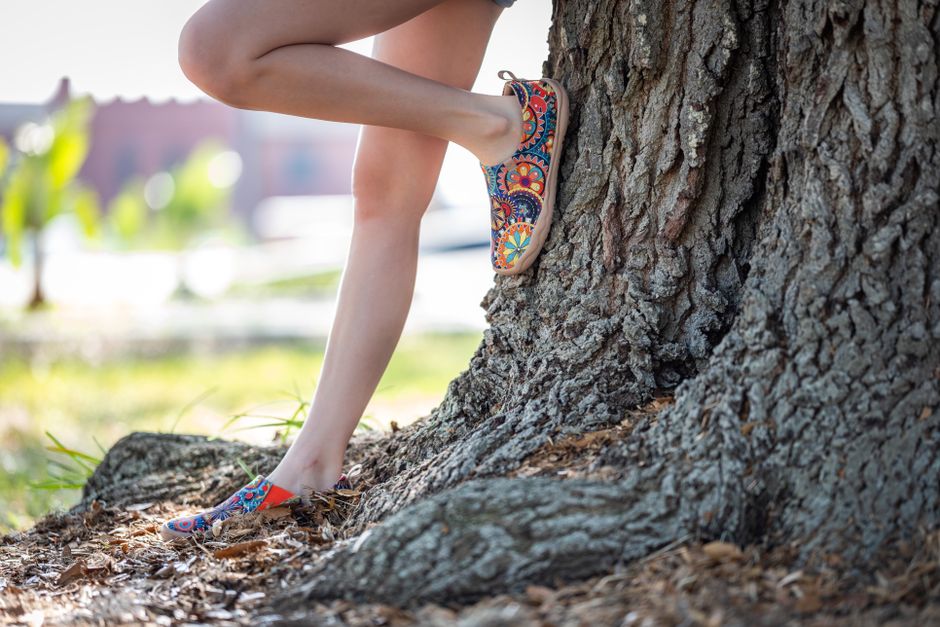
Unlike traditional shoes, which commonly have an eight to twelve millimetre heel drop, narrow toe boxes, and stiff cushioning, barefoot shoes let your foot move as it would if you were walking unshod. They mimic the shape and function of a bare foot while providing minimal protection from sharp objects, hot surfaces, and weather. Think of them as a second skin rather than a support structure.
How Barefoot Shoes Change the Way You Move
From Heel Strike to Forefoot Landing
Traditional running shoes, with their thick cushioned heels, encourage a heel-strike pattern. You land on your heel, the foam absorbs the impact, and you roll forward onto your toes. Barefoot shoes remove that cushioning, which forces a significant change in gait. Most people naturally shift to a midfoot or forefoot landing, where the ball of the foot touches down first and the heel kisses the ground afterwards.
This matters because the forces involved are substantial. During running, up to eight times your body weight can be directed into the heel upon impact. Barefoot shoes redistribute that load away from the heel and knee, sending it instead into the foot muscles, the calf complex, and the Achilles tendon. The result is less jarring through the knees and hips, but a much higher demand on the lower leg structures that have spent years protected by padded shoes.
Proprioception and Foot Strength
The thin sole does more than just reduce cushioning. It allows your foot to feel the ground beneath you, a sensory feedback loop called proprioception. Thousands of nerve endings in the soles of your feet send constant information to your brain about surface texture, slope, and stability. Traditional shoes dampen this signal. Barefoot shoes amplify it, which can improve balance, ankle stability, and your body's ability to react to uneven terrain.
There is also a strengthening effect backed by research. Studies show measurable increases in intrinsic foot muscle size and strength after approximately six to eight weeks of minimalist footwear use. Your foot contains twenty-six bones and thirty-one moving joints, an intricate structure designed for complex movement across varied surfaces. Barefoot shoes let these structures work as they were designed to, rather than immobilising them in a rigid shoe.
The Pros and Cons of Barefoot Shoes
The Benefits
The case for barefoot shoes starts with foot strength. When your arches and intrinsic foot muscles are allowed to do their job without artificial support, they grow stronger over time. This can reduce reliance on orthotics and improve overall foot function.
Posture is another area where barefoot shoes can help. A zero-drop platform aligns the spine and pelvis in a more neutral position compared to shoes with an elevated heel. Chiropractors often recommend barefoot shoes for postural correction, noting that a raised heel tilts the pelvis forward and increases lumbar curve.
Improved balance comes from that enhanced ground feel. On Australian trails, where surfaces shift from packed dirt to loose gravel to sandstone slabs, being able to sense the ground through your soles gives you a genuine advantage. Your feet become more responsive and your ankles more stable.
A natural gait is perhaps the most immediate change. Barefoot shoes encourage a shorter stride and a lighter step, reducing the repetitive impact forces that travel up through the knees and hips with every footfall. Many people report that knee pain diminishes after switching, simply because they stop overstriding and slamming their heels into the pavement.
The Risks: The Load Redistribution Truth
Here is the reality that often gets buried in marketing hype: injuries do not disappear when you switch to barefoot shoes, they just move. The load that was once absorbed by cushioned heels and supported arches shifts directly to your feet, calves, and Achilles tendons. This is not inherently bad, but it is a profound change that your tissues need time to handle.
Common issues during transition include Achilles tendonitis, plantar fasciitis, stress fractures in the metatarsals, and calf strains. These are not rare edge cases. They are the predictable result of asking tissues to handle forces they have not been conditioned for. The number one cause of injury is the "too much too soon" trap. People buy a pair, feel great on day one, and wear them for a full day of walking or a five-kilometre run. Their muscles feel fine. Their tendons do not, and the damage often shows up days or weeks later.
Tissue adaptation takes time. Bone and tendon remodelling can require eight to twelve weeks or longer to build real load tolerance. Your muscles will strengthen faster than your connective tissues, which creates a dangerous window where you feel strong enough to do more but your tendons are not ready.
Certain groups should be especially cautious. People with diabetic neuropathy lack the sensation needed to detect injury through a thin sole. Those with severe plantar fasciitis or structural foot deformities should consult a podiatrist or chiropractor before making the switch. Barefoot shoes are not a universal solution, and for some feet, they are the wrong tool entirely.
How to Transition Safely
The key to a successful transition is patience. Start by wearing your barefoot shoes for fifteen to thirty minutes a day on soft surfaces. Grass, sand, or even the carpeted floors of your home are ideal. Your calves will be the first to complain, and you should listen to them.
Increase your barefoot time by no more than ten per cent per week. If you walked for twenty minutes this week, aim for twenty-two minutes next week. This sounds absurdly slow, but it respects the reality of connective tissue adaptation. Foot-strengthening exercises accelerate the process. Towel curls, where you scrunch a towel toward you using only your toes, build intrinsic foot muscles. Calf raises strengthen the lower leg. Toe spreads, where you actively splay your toes apart and hold, improve control and awareness.
Expect a timeline measured in weeks, not days. Foot muscle growth becomes measurable around the six to eight week mark. Full adaptation of bones and tendons takes eight to twelve weeks, and for runners returning to full mileage, it can take longer still. Avoid hard pavement initially. Australian summers bring scorching bitumen temperatures that thin soles transmit directly to your feet, and unadapted tissues are more vulnerable to both heat and impact on unforgiving surfaces.
Who Should and Should Not Wear Barefoot Shoes
Good candidates for barefoot shoes include runners dealing with knee pain who want to reduce impact higher up the kinetic chain, people with flat feet who could benefit from strengthening their arches, anyone seeking better posture, and children whose developing feet benefit from unrestricted movement. Barefoot principles support natural foot development in kids, and brands like Clarks Roamer and Start-Rite Tumble offer solid first-step options built around wide toe boxes and flexible soles.
Proceed with caution if you have a history of Achilles tears, chronic plantar fasciitis, or osteoporosis. The increased load on the lower leg and foot bones demands a level of tissue resilience that may not be present.
Barefoot shoes are generally not recommended for diabetics with neuropathy, where reduced sensation combined with a thin sole creates a genuine injury risk. Anyone with rigid structural deformities should seek professional guidance from a podiatrist or chiropractor before making the switch. The goal is to work with your anatomy, not against it.
What to Look for When Buying Barefoot Shoes in Australia
Zero-drop is non-negotiable. Check the manufacturer's specifications and confirm the heel-to-toe drop is zero millimetres. Some shoes marketed as "minimalist" still carry a slight drop, and that defeats the purpose.
The toe box must be genuinely wide. Your toes should be able to splay flat without touching the sides of the shoe. If you can feel the upper pressing against your pinky toe, the shoe is too narrow.
The sole should be thin and flexible. Look for a stack height of three to five millimetres, and test the shoe in your hand. You should be able to roll it into a ball or twist it easily. If it resists, it is too stiff.
Australian conditions warrant some practical considerations. For wet climates, particularly in Tasmania, Victoria, and coastal New South Wales, consider GORE-TEX or waterproof options from brands like Vivobarefoot or Xero Shoes. These keep your feet dry without sacrificing the barefoot feel.
Price expectations for quality barefoot shoes in Australia range from roughly $120 to $280 AUD. Cheaper options exist, but they often compromise on sole flexibility or toe-box width, the very features that define the category.
Top Brands for Australian Buyers
Vivobarefoot offers a wide range suitable for hiking and daily wear, with a strong reputation for durability and foot-shaped design. Xero Shoes provides a more affordable entry point and is popular among runners for its lightweight sandals and trainers. BeLenka excels for people with wider feet and delivers stylish designs that do not look overtly technical. LEMS produces excellent casual and travel shoes that bridge the gap between barefoot and conventional styling. Altra sits at the cushioned end of the spectrum, offering zero-drop platforms with more stack height, making them a useful gateway shoe for those not ready to commit to a fully barefoot experience.
Frequently Asked Questions About Barefoot Shoes
Are barefoot shoes good for flat feet? Yes, they can help strengthen the arches over time, but the transition must be slow to avoid overloading the plantar fascia.
How long does it take to adapt? Most people need six to twelve weeks for daily walking. Runners should expect a longer timeline and should reintroduce running gradually on soft surfaces.
Can barefoot shoes cause plantar fasciitis? They can if you transition too fast. The plantar fascia is a thick band of connective tissue that needs time to adapt to the increased load. Rushing the process is a common trigger.
What is the difference between barefoot and minimalist shoes? Minimalist shoes have thin soles but may still include a slight heel drop or a narrower toe box. Barefoot shoes represent the strictest interpretation: zero-drop, wide toe box, and a sole thin enough to feel the ground.
Are barefoot shoes good for running? Yes, but only after a patient transition. Start with walking, then introduce short runs on grass or dirt before attempting road running.
The Bottom Line: Are Barefoot Shoes Right for You?
Barefoot shoes are a tool, not a cure-all. They redistribute load, strengthen feet, and can improve posture and balance, but they demand patience and a gradual transition. For Australians, they are an excellent option for building foot health when used correctly. Start with short walks on grass, listen to your body, and do not rush the process. If you have existing foot or lower-leg issues, consult a chiropractor or podiatrist before switching. Your feet have carried you this far. Give them the time they deserve to adapt to something new.