

Does Barefoot Shoes Help Flat Feet? An Australian Guide for 2026
If you have flat feet and have spent any time scrolling through outdoor gear forums or social media, you have almost certainly encountered the question: does barefoot shoes help flat feet? It is a query that sparks passionate debate among podiatrists, physiotherapists, and everyday walkers alike. Some advocates claim barefoot shoes can rebuild your arches from the ground up. Others warn they are a fast track to chronic pain. This article cuts through the noise. We will examine the mechanism by which barefoot shoes might improve foot function, clarify what they cannot do, and provide a practical, safe transition plan tailored for Australian feet. We will not recommend specific brands, but we will give you the criteria to make an informed choice.
Table of Contents
- What Are Barefoot Shoes? (Defining the Footwear)
- Understanding Flat Feet: Flexible vs. Rigid
- How Barefoot Shoes May Help Flat Feet (The Mechanism)
- What the Research (and Reddit) Actually Says
- The Risks: When Barefoot Shoes Can Make Flat Feet Worse
- A Safe Transition Plan for Flat Feet (Week-by-Week)
- Barefoot Shoes vs. Orthotics: Which Is Right for You?
- Final Verdict: Does Barefoot Shoes Help Flat Feet?
- Frequently Asked Questions
What Are Barefoot Shoes? (Defining the Footwear)
Barefoot shoes are built around three non-negotiable design principles. First, they have a zero-drop platform, meaning the heel and forefoot sit at exactly the same height with no elevation whatsoever. Second, the sole is thin and highly flexible, allowing the sole of your foot to feel the ground beneath you, a sensory feedback loop known as proprioception. Third, the toe box is anatomically wide, giving your toes room to spread naturally with every step.
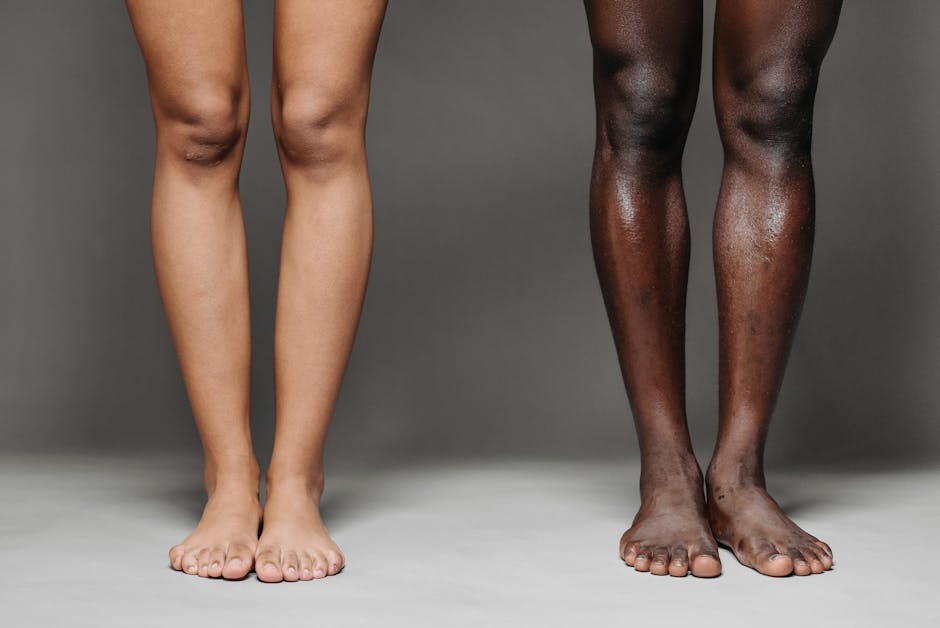
This design philosophy stands in direct opposition to traditional supportive footwear. A conventional running or walking shoe typically features a raised heel, a sculpted arch support, motion-control technologies, and a tapered toe box that gently squeezes the forefoot. Where traditional shoes aim to control and correct the foot from the outside, barefoot shoes aim to let the foot function as it evolved to: a self-supporting, sensory-rich structure that does not need artificial correction.
Understanding Flat Feet: Flexible vs. Rigid
Before deciding whether barefoot shoes are right for you, you need to know which type of flat foot you actually have. Most online discussions gloss over this distinction, but it is the single most important factor in predicting your outcome.
Flexible Flat Feet (The Common Type)
Flexible flat feet are defined by an arch that collapses only when you stand or walk. When you sit down, lift your foot off the ground, or rise onto your tiptoes, a visible arch reappears. This type is typically caused by loose connective tissue, weak intrinsic foot muscles, or both. The arch structure exists, but the muscular and ligamentous support system is not strong enough to maintain it under load. This is the type most likely to benefit from barefoot shoes, because the muscles responsible for supporting the arch can be progressively strengthened.
Rigid Flat Feet (The Structural Type)
Rigid flat feet present a completely different picture. The arch is flat in all positions, whether you are sitting, standing, or on tiptoes. The foot remains rigidly flat regardless of load. This is often caused by the actual bone structure of the foot, such as a tarsal coalition where two or more bones in the midfoot are abnormally fused, or by arthritic changes that lock the joints. Barefoot shoes are generally not recommended for rigid flat feet without direct professional guidance. Removing all external support from a structurally rigid, inflexible foot can lead to bone pain, joint stress, and soft tissue injury. If you are unsure which type you have, a podiatrist can make the diagnosis in minutes with a simple physical examination.
How Barefoot Shoes *May* Help Flat Feet (The Mechanism)
Understanding the proposed mechanism helps you separate realistic expectations from marketing hype. The potential benefits fall into three categories.
Strengthening Intrinsic Foot Muscles
The human foot contains layers of small, intrinsic muscles that stabilise the arch, control toe movement, and absorb shock. In a traditional shoe with arch support, these muscles are effectively splinted. They do not need to work hard because the shoe does the work for them. Over years of use, they become weak and under-recruited. A thin, flexible sole removes that artificial support, forcing the foot's musculature to engage with every step. Steven Sashen, founder of Xero Shoes, has noted that research suggests simply walking in barefoot shoes can build foot muscle strength to a degree comparable with a dedicated foot strengthening exercise program. That is a significant claim, and it points to the core promise of barefoot footwear: active rehabilitation rather than passive support.
The caveat is important. Strengthening the muscles of the foot improves dynamic function, stability, and load tolerance. Whether it permanently changes the visible height of your arch is a different question entirely, and one we will address honestly below.
Improving Proprioception and Gait
Proprioception is your body's ability to sense its position in space. The soles of your feet are densely packed with nerve endings designed to read the ground and send rapid feedback to your brain. Thick, cushioned soles dampen that signal. A thin barefoot sole restores it. Better ground feedback allows your brain to make micro-adjustments to foot placement and posture with every step, which can naturally reduce overpronation, the excessive inward roll of the foot that often accompanies flat feet. Over time, many wearers also shift toward a midfoot or forefoot strike pattern rather than a heavy heel strike, reducing impact stress travelling up through the arch and into the knees and hips.
Allowing the Foot to "Rest Flat"
There is a philosophical angle worth considering. Some barefoot advocates argue that flat feet are not inherently a problem to be fixed, but a natural variation in human anatomy. Barefoot shoes allow the foot to assume its natural resting position rather than forcing it onto an artificial arch support. For some people, simply removing the orthotic device and letting the foot move as it pleases reduces discomfort, even if the arch never visibly changes. This reframes the goal from "creating an arch" to "creating a comfortable, strong, functional foot."
The Honest Truth About Arch Height
Here is where we address the elephant in the room. Arch height is predominantly genetically determined. The same Quora discussion that highlighted muscle strengthening also made this point clearly: no published study has yet measured a permanent increase in arch height from barefoot footwear use. You may feel stronger. You may walk with less pain. Your foot may even look slightly different at rest due to improved muscle tone. But expecting a lifetime of flat feet to reverse into a high, rigid arch is not supported by evidence. The realistic goal is improved function and comfort, not a structural cure.
What the Research (and Reddit) Actually Says
The Research Gap
If you go looking for large-scale, peer-reviewed studies confirming that barefoot shoes fix flat feet, you will come up empty-handed. The current evidence base is thin. One article in the broader discussion cites research suggesting barefoot running can improve foot posture and reduce overpronation, but it also explicitly notes that more research is needed. The claims made by barefoot brands are grounded in mechanistic reasoning and anecdotal reports, not in long-term controlled trials. This does not mean the claims are false. It means the science is still catching up to the enthusiasm.
The Reddit and Quora Voice
The real-world experiences found on Reddit and Quora paint a consistent picture. Users with flat feet who switch to barefoot shoes commonly report an initial period of discomfort, followed by a gradual reduction in arch and heel pain over several months. Many note improvements in knee and hip pain, likely due to gait changes. What they almost universally do not report is a visible arch magically appearing where none existed before. The community values honest, lived experience over marketing copy, and the consensus is cautiously optimistic: barefoot shoes help many people feel better, but they are not a miracle.
The Risks: When Barefoot Shoes Can Make Flat Feet Worse
Barefoot shoes are not risk-free, and flat-footed individuals face specific vulnerabilities.
The Transition Trap
Going too hard, too fast is the single biggest mistake new barefoot wearers make. If you have worn supportive shoes for decades, your Achilles tendons are likely shortened and your calf muscles are tight. Your intrinsic foot muscles are weak from years of being splinted. Suddenly removing all support and walking kilometres places enormous strain on these unprepared tissues. The result can be plantar fasciitis, metatarsalgia, calf strains, or stress reactions in the bones of the foot. A slow, deliberate transition is not optional; it is essential.
Unsuitability for Rigid Flat Feet
As noted earlier, rigid flat feet are a structural condition. If your foot cannot physically change shape under load, a barefoot shoe will not change it either. Instead, it will remove the cushioning and support that a rigid foot may genuinely need, leading to bone pain and joint aggravation.
Lack of Support for Severe Overpronation
Some individuals with severe, uncontrolled overpronation find that barefoot shoes do not provide enough stability, particularly during running. The foot collapses inward so aggressively that the muscles cannot keep up, and pain follows. This does not mean barefoot shoes are wrong for everyone with overpronation, but it does mean you need to be honest about your starting point. If you have significant pain or a known structural issue, consult a podiatrist before making the switch.
A Safe Transition Plan for Flat Feet (Week-by-Week)
A gradual transition gives your feet time to adapt without breaking down. The process takes months, not weeks.
Weeks 1–2: The "House Shoe" Phase
Wear your barefoot shoes indoors only, for 30 to 60 minutes per day. Focus on standing and short walks around the house. Pay attention to how your feet feel on hard floors. Do not run. Do not walk long distances. This phase is about introducing your feet to a new sensory environment in a controlled setting.
Weeks 3–4: Short Outdoor Walks
Increase to walks of one to two kilometres on flat, soft surfaces. Grass, sand, and dirt paths are ideal. Concrete footpaths are higher impact, so minimise time on hard surfaces initially. Listen carefully for pain in the arch, heel, or Achilles tendon. Discomfort and muscle fatigue are normal; sharp or persistent pain is a signal to stop and rest.
Weeks 5–8: Gradual Distance Increase
If you are walking pain-free, begin increasing your distance by roughly 10 percent per week. This conservative progression allows tissues to adapt without exceeding their recovery capacity. You can introduce short runs of one to two kilometres only if walking feels completely comfortable and you have no lingering pain.
Ongoing: Listen to Your Feet
Full adaptation typically takes three to six months. Some people take longer. Pair your transition with dedicated foot strengthening exercises: towel curls, short foot exercises, and calf raises all help build the muscular foundation that barefoot shoes demand. Your feet will tell you what they need, provided you are willing to listen.
Barefoot Shoes vs. Orthotics: Which Is Right for You?
The Case for Orthotics
Custom or off-the-shelf orthotics provide immediate, passive support. For someone with painful flat feet, they can offer relief within days. They are particularly appropriate for rigid flat feet or severe structural issues where muscle strengthening alone is unlikely to resolve symptoms. The trade-off is that orthotics do the work for your foot, which means the underlying muscles remain weak.
The Case for Barefoot Shoes
Barefoot shoes represent a long-term, active approach. They aim to strengthen the foot so it can support itself. For flexible flat feet with mild to moderate symptoms, this approach can reduce or eliminate the need for artificial support over time. The cost is patience and a commitment to the transition process.
The Middle Ground
This is not an either/or decision. Some people wear barefoot shoes for daily life and keep a pair of orthotic-friendly shoes for long walks or running. Others transition gradually, reducing their reliance on orthotics as their foot strength improves. Your specific pain level, foot type, and lifestyle should guide the decision, ideally with input from a podiatrist who understands both approaches.
Final Verdict: Does Barefoot Shoes Help Flat Feet?
For people with flexible flat feet, the answer is a qualified yes. Barefoot shoes can help by strengthening the intrinsic foot muscles, improving proprioception, and encouraging a more natural gait. Many wearers report reduced pain and better function over time. For rigid flat feet, barefoot shoes are generally not recommended and may cause harm. Across all foot types, one expectation must be set clearly: barefoot shoes are unlikely to permanently change your genetically determined arch height. The goal is a stronger, more comfortable foot, not a structural transformation. If you have flat feet and are curious, start with the transition plan outlined above, listen to your body, and seek professional advice if you have any concerns.
Frequently Asked Questions
Can barefoot shoes fix flat feet permanently?
No. Arch height is largely genetic. Barefoot shoes can improve foot strength and reduce pain, but they are not a permanent cure for the structural appearance of flat feet.
How long does it take for barefoot shoes to help flat feet?
Most people notice improvements in comfort and strength within four to eight weeks of consistent, gradual use. Full adaptation often takes three to six months.
Are barefoot shoes bad for flat feet with rigid arches?
Yes, generally. Rigid flat feet are often structural, and barefoot shoes may cause pain. Consult a podiatrist before trying them.
Should children with flat feet wear barefoot shoes?
Possibly, but only under professional guidance. Children's feet are still developing, and while barefoot shoes may help strengthen muscles, they are not a guaranteed solution for every child.
Do podiatrists recommend barefoot shoes for flat feet?
Opinions vary. Some podiatrists recommend them for flexible flat feet; others prefer orthotics. A personalised assessment is the best path forward.